
One case in full: a hardware store in Eura
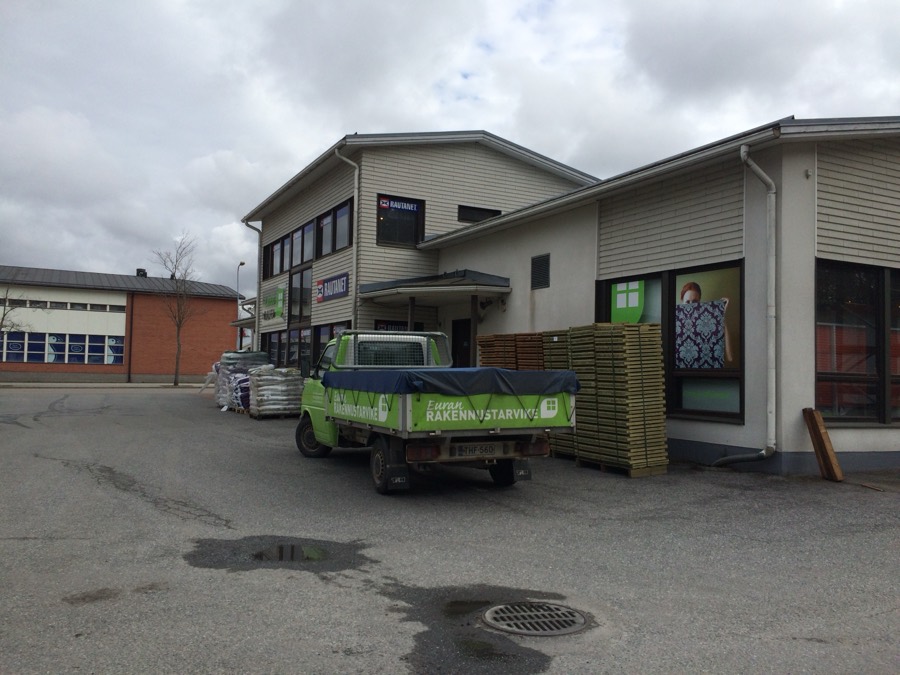
Euran Rakennustarvike is a family-owned hardware retailer in the small Finnish city of Eura, bought by a local family in 1993 when the shop was on the brink of bankruptcy. Its customers are local contractors, decorators, DIYers, farmers and homeowners.
After fifteen years the family expanded, acquiring two more hardware stores in neighbouring cities. Each kept its own managing director, its own inventory and its own way of selling. Three years later, low sales volumes and the Finnish recession put the company in difficulty again.
The owners asked a commercial advisor from the Turku School of Economics to look at profitability. His conversations with the store managers showed that the key sales processes varied from shop to shop, and that each ran its own product and supplier databases. Integrating the IT systems and harmonising customer data, pricing and assortment took several months.
Financial analysis turned up three more weaknesses: customer discounts higher than competitors', purchase prices that did not feed through into sales prices, and staff costs that stayed high through the quiet season from October to March. New discount rules, a new pricing method and a negotiated move of holidays into the quiet months dealt with those.
The larger change was to the management model. Rather than delegating each shop to its own director — which had left the company disintegrated — the CEO took direct responsibility for the chain and for cooperation between the stores, with key indicators reported monthly and discussed with the managers. Turnover in 2014 stayed level, and the company was showing a profit again.